
Choosing an online casino is often less about finding the biggest lobby and more about finding games that suit your preferred pace, format and level of risk. For readers comparing the spinko online casino, the useful starting point is its game-discovery system: categories, provider filters, search tools and demo availability can make a large catalogue easier to navigate. This guide focuses on how to explore the lobby thoughtfully, compare slots with live and table games, and check availability before making any decisions.
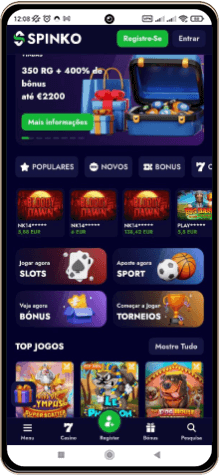

Use the Lobby Filters Before Browsing
A catalogue containing several thousand titles can be impressive, but scrolling through it randomly is rarely efficient. The lobby is described as having search, provider filters and category navigation, allowing players to narrow the selection according to a particular interest. Common categories include new releases, popular games, slots, live casino, table games, jackpots, crash or instant games, mini games and bonus-buy titles.
Search is useful when you already know a title or want to find games with a familiar theme. Provider filtering takes a different approach: it lets you compare a studio’s presentation, mechanics or game-show style across several releases. For example, someone interested in Pragmatic Play, Hacksaw Gaming, Play’n GO or Yggdrasil can use the provider list rather than relying only on the casino’s featured selections.
Filters should be treated as navigation tools, not quality guarantees. A “popular” label does not mean a game is likely to produce a particular result, and a new release may simply have received prominent placement. It is sensible to open the information panel for each title, check the available stake range and read any displayed rules before playing. Availability can also vary by location, account and site version, so the visible lobby is the most relevant reference.
Compare Slot Styles and Game Mechanics
Slots appear to form the largest part of the catalogue, with examples associated with the lobby including Gates of Olympus, Gates of Olympus 1000, Le Bandit, Duel at Dawn, Wanted Dead or a Wild, Fist of Destruction, Book of Ra Deluxe, Raptor and 3 Coin Towers. These titles represent different themes and formats, but a familiar name should not be mistaken for a prediction of results.
When comparing slots, look beyond the artwork. Consider whether the game uses paylines, ways to win, multipliers, bonus rounds, free spins, jackpots or special symbols. Volatility can influence how frequently wins appear and how uneven results may feel, while the return-to-player figure is a long-run statistical measure rather than a promise for one session. A short trial cannot reliably establish either volatility or actual returns.
Some slot sections may include bonus-buy games, which allow access to a feature for a stated price where permitted. These options can involve larger individual stakes and should be approached cautiously. If demo play is offered for a particular title and jurisdiction, it can help you understand the interface and bonus mechanics without risking funds. It cannot verify future outcomes, guarantee a payout pattern or replace the game’s published rules.
Explore Live Casino and Table Games
Players who prefer a more social or presenter-led format can look through the live casino section. Current descriptions refer to roulette, blackjack, baccarat and game-show formats, with providers such as Evolution, Pragmatic Play Live, BetGames, Vivo Gaming and LuckyStreak appearing across related materials. The exact selection may change, so provider names should be checked against the live lobby.
Live games differ from slots in both pace and decision-making. Roulette is driven by a wheel outcome, while blackjack involves choices such as hitting, standing or doubling according to the table rules. Baccarat generally offers a simpler betting structure, although the available wager options and side bets still need careful reading. Game-show formats can add visual features and hosts, but entertainment value does not alter the underlying risk.
Before joining a live table, review the minimum and maximum stakes, side-bet rules, payout details and any stated commission. Tables may operate continuously, while others use scheduled sessions or limited seats. If the interface displays multiple versions of the same game, compare their limits and rules rather than assuming they are identical. A lower-stake table can be more suitable for learning the layout and managing a fixed entertainment budget.
Check Instant, Jackpot and Game-Show Options
Beyond standard slots and traditional tables, the catalogue is described as including jackpots, crash or instant games, mini games and game-show content. These formats can feel very different from a conventional reel game. Some are quick and simplified, while others use progressive features, event-style rounds or visibly changing multipliers. The category labels can help you find them without searching through the main slot collection.
Jackpot games deserve particular attention because the prize structure may be central to the title’s appeal. Read whether the jackpot is fixed, linked to a progressive pool or awarded through a separate feature. A large advertised prize does not indicate how often it is won. Similarly, crash-style games may show a rising multiplier and invite a decision about when to exit, but timing does not remove the possibility of losing the stake.
Game-show and mini-game formats can be useful for variety, especially when a long slot session feels repetitive. However, their visual presentation can make the pace seem faster than it is. Set a spending and time boundary before opening a rapid-format game, and check whether any title has special rules, bonus features or stake limits. If a game is unavailable in your location, do not attempt to bypass regional restrictions.
Make a Practical Shortlist
A shortlist is more useful than collecting dozens of bookmarked titles. Start with three groups: games you understand, games you want to learn and games that simply appeal to you visually. For each title, note its format, provider, displayed stake range, key features and whether demo play is available. This gives you a basis for comparison without treating promotional placement as a recommendation.
- Format: Decide whether you prefer slots, live tables, standard tables, jackpots, instant games or game shows.
- Pace: Consider whether you want quick rounds, continuous live play or time to make decisions.
- Rules: Read the paytable, side-bet information, feature conditions and any displayed restrictions.
- Budget: Choose a stake that fits your entertainment limit rather than chasing a particular outcome.
- Availability: Confirm that the title and its features are offered for your location and account.
Review the shortlist after a few sessions and remove games that encourage impulsive play or do not suit your budget. Responsible-gambling tools may include deposit, loss or wager limits, time-outs, cool-off periods and self-exclusion, although availability can vary by account or site version. If play stops feeling recreational, contact support about the available controls rather than trying to recover losses through additional wagers.
FAQ
Can I search for a specific game?
Yes. The lobby is described as including a search function, so you can look for a known title rather than browse every category. Search results and availability may depend on location, account status and the current site version, so confirm the game’s rules and stake range after opening it.
Are demo versions available for every game?
No. Demo play is described for at least part of the slot catalogue where the title and jurisdiction permit it. A demo can explain controls and bonus features, but it cannot establish a game’s future results, prove its volatility or guarantee that the real-money version will be available.
How should I choose between slots and live games?
Choose according to the experience you want. Slots usually offer automated rounds and varied themes, while live games provide streamed tables, hosts and more visible decision points. Compare rules, limits and pace first, then select a format that fits your entertainment budget and preferred level of involvement.